Microsoft, IBM, Cisco, Netflix, PayPal…These are just few of top
companies using Node.js software for their products. Since initial
release in 2009 this JavaScript environment has gained huge traction.
Why? Node.js extremely comfortable to work with. Also, it allows
front-end developers to build and execute the code on a server side.
Thus, quicker development cycles. So who is using it and why? We have
best Node.js app examples and reasons behind it for you. But a little
helping information first.
What is Node.js?
In two words Node.js is a runtime environment. What it is exactly is
an open-source JavaScript (hence the JS denotation) for network
applications building. It allows NodeJS developers
(programmers/coders) to execute the code on the server side. Meaning:
on own computer or straight in a browser. Therefore, Node.js is light, scalable and fast way to write scripts.
Now, it is a well established part of so called JavaScript paradigm.
It allows and unifies app development, removing the need for different
languages. Node.js is mainly in use to create web applications in real-time. However, mobile app development is also possible, thanks to whole Node.js ecosystem. And its package manager – NPM, in particular.
With Node.js you are able to use the code or scripts that have been
written in other languages, as well. So what about Node.js app examples?
We’ve gathered several most telling projects and companies using
Node.js.
Best Node.js app examples
#1 PayPal and Node.js
You’re going to find PayPal in every list of applications built on
Node.js. And rightfully so. The service has to cope with over 200 million active
user accounts worldwide. It does it seamlessly. Their initial problem
has been dispersed teams doing tasks separately for browser and server
applications. After PayPal has adopted Node.js, developers use the
single language – JavaScript.
According to the company statement, their Node.js application was written 2 times faster than usual. And it contained 33% less code.
Millions of people entrusting their payments is a true force indicator
of this and other Node.js app examples in the list. For more details,
you can read the case of Node.js app PayPal.
#2 Netflix and Node.js
As the largest global video content and streaming service,
Netflix’s choice of Node.js speaks volumes. It is one of the most
interesting Node.js app examples too. Because the goal of video provider
was to power user interfaces specifically. With Node.js project they
decreased build times and enabled user customization.
In addition, Netflix won the battle for performance. The company reports, it has improved application’s load time by 70%.
Node.js runtime has proved to be so efficient at Netflix, they even are
moving data access layers to it. They also aim to write scripts as Node
applications solely. To monitor the effect, Netflix developers use TTI
metric – time to interactive. It is time between app startup and user
interaction.
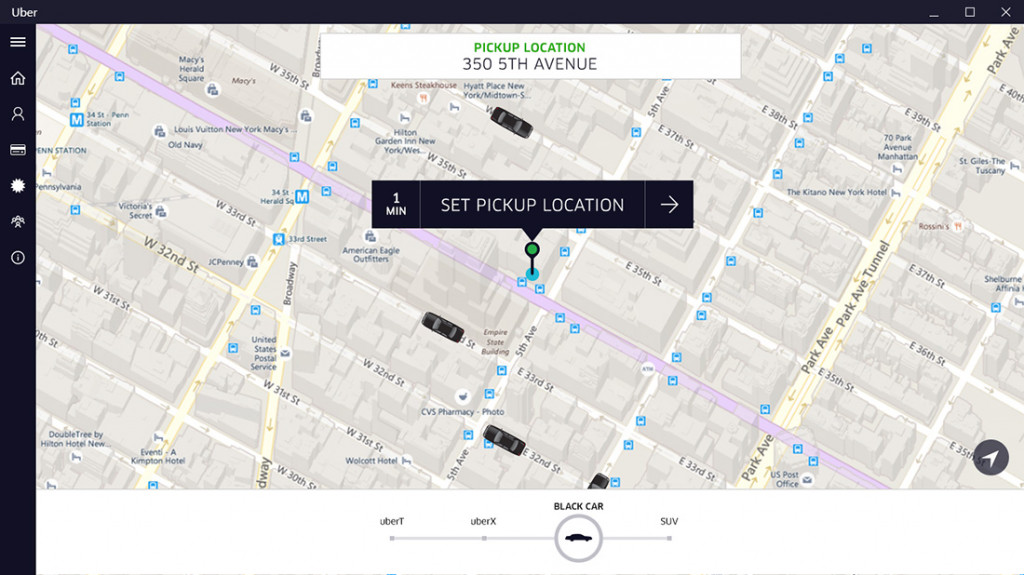
#3 Uber and Node.js
Uber is one the best Node.js app examples. Notably, a mobile app built with Node JS, that also impacts the cost to make an app like Uber – if one may be curious about. The company has been doubling in size every 6 or so months in the last two years. So obviously, data processing capabilities of Node.js was a winning solution.
Scaling up according to rising demand for mobile taxi services is
another factor. Uber needed a system to be reliable both to customers
and drivers. Why have they chosen Node.js and JavaScript in general?
Uber states three main reason for their Node.js project:
It processes large amounts of data quickly and reliably
Convenient error analysis and quick code deployment
Constant technology improvement due to open source community
To prove their Node.js app success, Uber is now able to process over 2 million remote procedure calls (RPC) per 1 second. Even at peak times. Impressive!
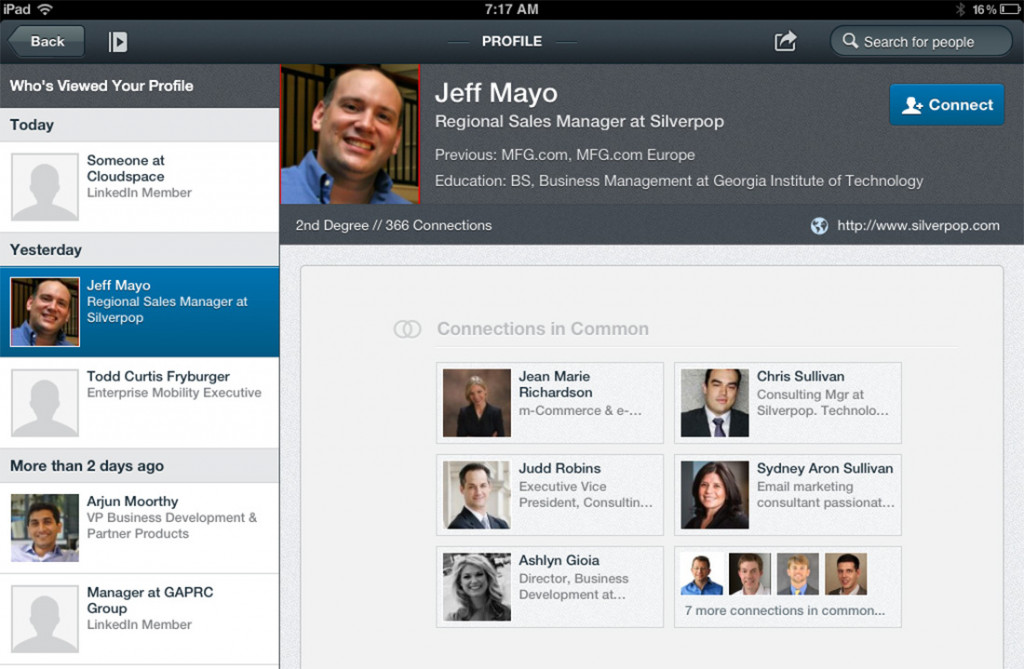
#4 LinkedIn and Node.js example
It’s true, LinkedIn irritates many and may seem antique. But it also
does help employ. Still. As business networking system, it has over 450 million members. In 2016 the service was sold to Microsoft for $26 billion.
Let’s repeat that – 26 billion American dollars. And guess what?
LinkedIn mobile app backend has been built on Node JS. Few more words on
one of the best Node.js app examples below. Performance efficiency and scale were two primary reasons for
the company to switch to Node.js. And they have been satisfied with
results. Who wouldn’t be? See for yourself how LinkedIn app on Node.js
has performed since:
Resources: servers cut down from 15 to 4
Doubling the traffic capacity
App works faster 2 to 10 times on the client side
On the server side, our entire mobile software stack is completely built in Node.
Kiran Prasad, Mobile development lead at LinkedIn
#5 Ebay and Node.js
For the huge (we mean really huge!) traffic Ebay had to go with
proven technology. Node.js as part of JavaScript tech stack was a good
fit for this e-commerce
giant. After tough internal discussions Ebay engineers chose Node. The
deciding factor was the need to make Ebay application as real-time as
possible.
With about 170 million active users, Ebay app on Node.js
example shows the ability to maintain live connections to servers. The
technical beauty and deploying principle at Ebay lie in following. Build once, deploy everywhere and automate the rest.
Ebay started with one project, and now they are transitioning to
full-featured stack on Node A case and point of being one the best
Node.js app examples.
Would you like a web or mobile app on Node.js?
#6 Walmart and Node.js app example
Among large retail
companies, Walmart is championing the entry into online e-commerce.
After having fought with memory leak for 6 months, backend engineers
opted for JavaScript services. And Node.js in particular. What makes it
one of best Node.js app examples is that Walmart now gets more accurate
results from client side.
Walmart uses Node as the orchestration layer over legacy APIs. They
can now create new APIs for Walmart apps and deploy it within hours. In
result, release times are significantly cut. For Node.js in production the company uses the tech stack consisting of:
SmartOS
HAPI (open-source framework by Walmart)
Plugins (environment-specific)
Private NPM package
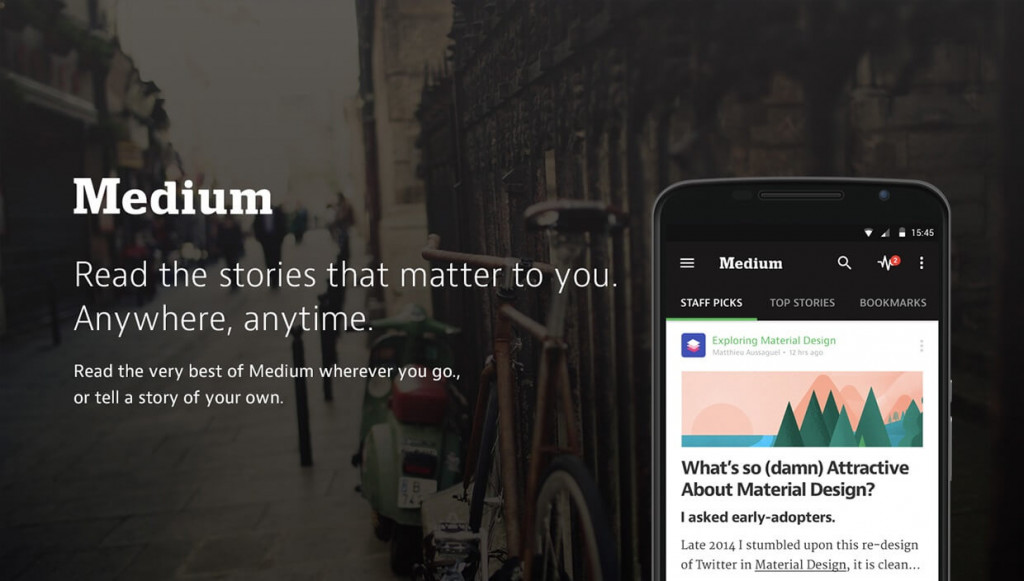
#7 Medium & Node.js project
The next cool service in our list of top Node.js app examples is
Medium. It is a widely popular publishing platform that leverages NodeJS
for its web servers. Medium app servers are built with Node.js with Nginx accompanying it. They also use Matador as a clean framework for Node environment.
Medium has 25 million monthly readers and thousands of
articles appear each week. With service-oriented backend structure,
Node.js allows Medium share code between client and server side. Using
Node, they managed to speed up deployment times, up to 15 minutes. While main app servers usually deploy 5 times a day, and are capable of 10.
#8 NASA and Node.js
“Node.js helps NASA keep astronauts safe.” Quite unexpected statement
and instance in the list of Node.js app examples, right? Though, not
exactly an application this Node.js project for space agency showcases
the power of JS technology. After one dangerous incident in space, NASA
found out its data to be scattered on many locations. They decided to
build own end-to-end data system and went with Node.js.
NASA moved everything in a cloud and constructed a Node.js enterprise
scale architecture. They used web API to link two environments. As
result:
1 database for everything
Access times reduction of 300%
In real life, these figures mean safer conditions for astronauts to live and work in space. Stunning!
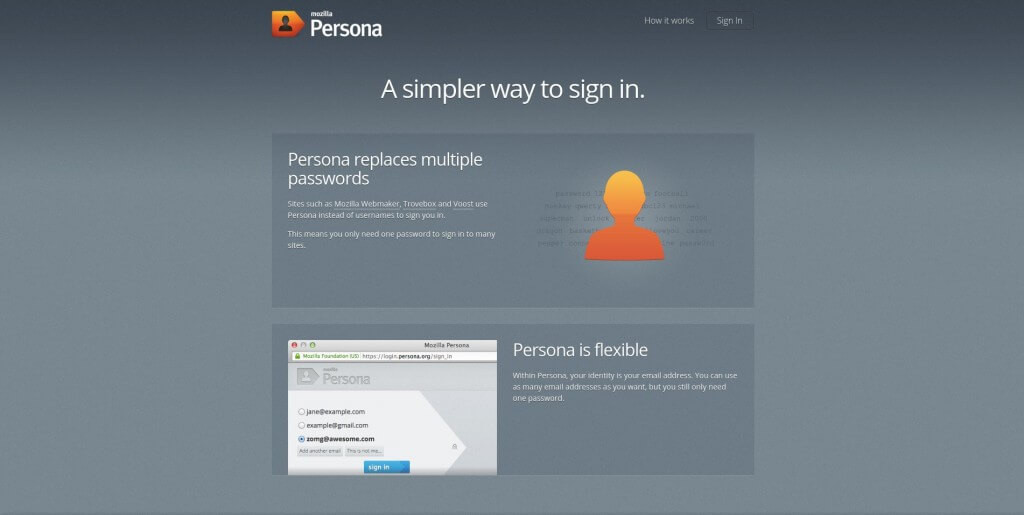
#9 Mozilla and Node.js
Second or third most popular web browser in the world, we’ll leave to
others to discuss Mozilla. We’d rather highlight it as one of the best
Node.js app examples, as Mozilla uses Node for numerous web apps. Like Mozilla Persona or BrowserID, for instance. Though these projects are over as of now, Node.js has been selected not without a reason.
2 main reasons were memory capable to sustain about 1 million users
and same language of JavaScript family. Mozilla team had everything
easily available, in a single JS repository. So all the teams worked
fast and productively. Now they use Node JS for cross-platform pages and web frameworks like Express.
#10 Trello and Node.js sample app
One of the best project management tools, Trello started out in 2011
fully on JavaScript. Trello developers built the server part with
Node.js. Reason for such choice was the demand for numerous open
connections support. For the client side, by the way, Trello used Backbone.js, and you can learn more about Backbone applications.
Trello also used Node for some prototyping. They tried it on a
single-page app and then on a mockup server, eventually. With such
arrangement engineers were able to try things out quickly and adjust the
design. Trello server side was also completed with MongoDB, HAProxy (for load balance) and Redis for data sharing.
Node.js app performance metrics
When it comes to evaluating your Node.js application (website, mobile
app, enterprise app, etc.) what metrics are at hand? Top NodeJS metrics
include:
Event loop
This means the ability to execute code in a queue. Node.js is famous
for it’s non-blocking nature in this regard. Thus, a server can process
unlimited number of operations. And the system can handle async
operations. The metric is called Event handling latency.
Real-time user behavior
This is what users (customers) are doing as they engage with your
application. In best Node.js app examples like Uber or Netflix users
complete business transactions in matter of seconds. Thus, proving
application efficiency. This Node.js metric is all about measuring the
response times.
External frameworks
Node.js apps depend on other services, systems and databases, as
well. Apps on NodeJS may connect to other applications, caches, etc. So
one has to keep in mind these dependencies too. What one could check?
Response times, request rates, error rates, content sizes, APIs, etc.
Process memory
Node.js has a terrific helper tool – Garbage Collector. It manages
application’s memory and prevents memory leaks. Firstly, you can measure
time spent on GC – the more runs, the more pauses in the system.
Secondly, comparing memory at each run and checking for building trends.
Of course, there could be other metrics for Node.js apps. App
topology, number of processes, cluster mode, or even custom metrics
methods.
Benefits of using Node.js
To summarize our Node.js app examples overview, we’ll list several
main gains with Node. It is a part of wide JavaScript full stack, that
unifies language, data and all resources. Thus, making developer’s life
much easier. Benefits of Node.js apps are:
Speed (runs on Google JS engine)
Non-blocking I/O paradigm
Data streaming (HTTP requests and responses as a single event)
Real-time apps (client-side and server-side)
Unified database queries (JSON format)
Easy and fast coding
Open-source NPM repository (over 60.000 modules)
Proxy server ability
Fast development cycles
Business logic on the server
Appropriate for Android devices
One of the things that makes Node.js uniquely
suited to running in production is that you can inspect and change a
program without restarting it.
Matt Ranney, Sr. staff engineer at Uber
Node.js, being a non-blocking event-driven model presented
developers a possibility to build applications in real-time. With push
technology and 2-way connections, many top companies use it, as we’ve
shown in our best Node.js app examples here. You can approach
ThinkMobiles, as the Node.js development company.
Want to see your project on this list? Hire our NodeJS developers now and get 14 days of free development!
ThinkMobiles was founded in 2011 in Uzhhorod,
Ukraine. Today, we are a fast growing IT solutions company with an
amazing team of more than 200 AR, VR, IOS, Android, Web and UX/UI
professionals. Our main activities include outsourcing development as
well as creating our own products, such as EasyQA, EasyERP and
Player360.
In 2013 our company opened Guru IT school that enabled more than 400
developers in 10 different specializations to graduate every year.